Professional fire detection and flood protection
NetCom designs and installs fire detection and flood protection systems for homes, businesses and technical areas. The project considers the building’s use, applicable requirements, alarm signalling and compatible integrations.
Fire detection systems
Detectors are selected for the conditions and risks of each area, including smoke, heat or other indicators supported by the chosen devices. Events are sent to the signalling equipment and, where provided, to the app or monitoring service specified in the project.
The system identifies the point or zone involved according to its architecture. Clear event information helps the designated people follow the site’s procedures; detection, notification and response remain distinct parts of the protection.


Integration with video surveillance
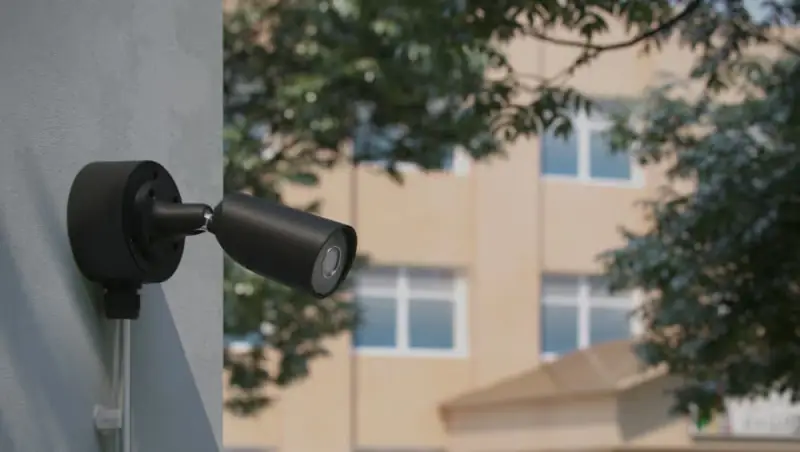
Video can help verify events and provide additional information in areas suited to the selected technology. Thermal or other video analytics are assessed for specific scenes and functions. They do not automatically replace the fire detection system required for the building; integration must preserve each system’s intended role.
Flood detection systems
Water detectors can monitor vulnerable points in basements, archives, technical rooms and other areas. Where the project includes a compatible motorised valve, the system can also limit the supply on the controlled circuit. Existing water, external flooding and seepage require specific measures beyond closing the supply.


Protection based on the building and its use
The project brings together the building’s characteristics, the activities carried out and the protection requirements. We define detection, signalling, integrations and the information needed for operation and maintenance. Specialist responsibilities and any external services are identified for the work concerned.
Autonomy and resilience
Fire detection and alarm functions require an appropriate power supply, supervision and reserve capacity, defined for the system and the applicable requirements.
The design considers the equipment that must remain operational during a power interruption, along with signalling, communications and maintenance. Backup duration and operating conditions are specified for the actual installation.

Frequently asked questions
Does my industrial building need a fire detection system?
The need for and characteristics of the system are defined through the fire risk assessment and the requirements applicable to the activity. Processes, materials, people present and the building's characteristics guide the protection required. Whether the activity is subject to fire-prevention controls must be considered together with the project and the specific rules of the business. NetCom Security Group's site survey gathers the system requirements and compares them with the fire-safety project and the appointed professionals, to identify the solution consistent with the building and its use.
What is the difference between a household smoke detector and a UNI 9795 system?
A stand-alone detector signals where it is located. A UNI 9795 system is designed: it divides the building into zones, identifies the point of the event, has an EN 54 certified control panel, backup power and protected lines. The first alerts whoever is present; the second also works when nobody is there.
What changes from 25 September 2026 for fire-system maintenance?
From that date, checks and maintenance of fire-protection systems must be carried out by qualified maintenance technicians, with a certificate obtained before a Fire Brigade commission. This is established by the Ministerial Decree of 1 September 2021, with the deadline set by the Ministerial Decree of 15 July 2025. Whoever runs the business must make sure their maintenance contractor is qualified.
Can the fire system be connected to the alarm I already have?
In most cases yes, and it is worth it: a single app, a single notification and the possibility of viewing the cameras of the zone in alarm before deciding what to do. Compatibility with the existing system is checked during the site survey.
Do you also detect carbon monoxide?
Yes. Carbon monoxide is a different risk from fire, odourless and invisible, and is addressed with dedicated detectors: typically in boiler rooms, garages and rooms with combustion.
Does NetCom also maintain fire-protection systems?
Periodic maintenance is carried out by external qualified maintenance technicians coordinated by NetCom Security Group. The systems are designed to be maintainable over time, with a schedule of what to check and how often according to UNI 11224.