
Fuel Stations and Service Areas
Integrated security for public-facing facilities and high-exposure operational areas
Tailored solutions designed to protect access points, fueling zones, technical rooms, and service areas, ensuring constant security supervision and efficient management of operational spaces.

Fuel stations and service areas require a security approach specifically designed around continuous public access, open operational environments, and the need to effectively protect canopies, service kiosks, technical rooms, fueling islands, and refueling zones—especially self-service areas operating in less-than-optimal lighting conditions.
In environments of this type, it is essential to adopt a solution capable of ensuring reliable night-time monitoring, operational continuity, and constant supervision while maintaining a high level of control.
NetCom Security Group develops dedicated solutions for service stations, designing tailor-made systems that integrate the most suitable technologies for night-time surveillance, taking into account traffic flow, operating hours, and the required level of protection.
Each project is designed to provide effective coverage of the areas most exposed to risk, with particular attention to entrances, fueling zones, indoor spaces including bars and convenience stores, technical areas, and cash points.
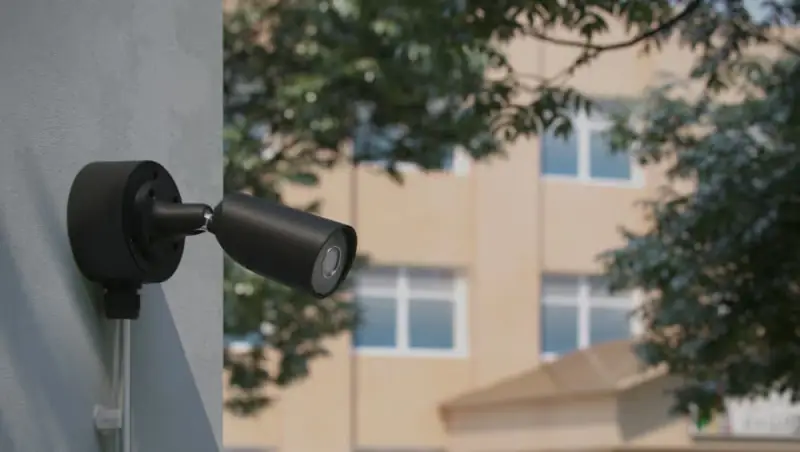
Among the available technologies, we implement high-power sirens, dual-frequency systems designed to maintain communication in the event of interference or jamming attempts, 4K ultra-HD cameras for night vision and vehicle number plate recognition, as well as smoke and flood detection sensors.


Every installation, necessarily customised, is designed to provide greater control over the facility, more efficient event supervision, and remote monitoring capabilities.
This allows operators to receive timely alerts, quickly verify potential issues, and maintain constant attention on the protection of the business against vandalism, break-in attempts, and risks affecting the service area as a whole.
The goal is to provide a reliable and fully customised solution capable of adapting to the layout of the fuel station, the operational needs of managers and owners, and the requirement to ensure security and operational continuity for facilities exposed to continuous yet variable flows of incoming and outgoing vehicles.

Frequently asked questions
How is a service station protected when it stays accessible at night?
The spaces used by customers must be distinguished from the areas that have to stay closed or reserved. Cameras suited to night lighting, protection of the premises and targeted alerts help to monitor events without treating every authorised passage as an intrusion. NetCom Security Group assesses the layout of the pumps, entrances, canopies and services on site, to organise coverage consistent with self-service operation and staff hours.
Can cameras help to reconstruct an event involving a vehicle?
Yes, if the project provides useful images of the points concerned and adequate recording conditions. Entrances, exits and refuelling areas need different views, to be checked also with headlights and night lighting. Automatic number-plate reading, where required, must be planned as a dedicated function and assessed according to purpose, devices and site conditions. Viewing and retention of images must be defined for the authorised uses.
Can the bar and minimarket have security managed separately from the forecourt?
Yes. The areas can be organised with different hours, authorisations and protection modes. The shop can be closed and protected while automatic refuelling remains available; plant rooms and storage can have reserved access. A coordinated project keeps these differences clear for the operator and routes alerts to the right people, even when the activities have different managers.
How are devices chosen near the fuel dispensing areas?
The choice requires coordination with the risk assessment and with the classification of the areas of the installation. Where explosive atmospheres can form, equipment and installation must suit the conditions identified. The security project therefore considers position, connections and operating requirements together with the professionals responsible for the fuel installation, integrating cameras and other devices consistently with the characteristics of the site.
How can the operator follow the station's alerts remotely?
The system can organise events by area, distinguishing forecourt, shop, offices and plant rooms. Where provided, images help to verify the alert, while agreed recipients and procedures make clear who takes charge of it. Remote supervision is designed together with connectivity and power supply, giving the operator useful information and orderly management even when not on site.
