Frequently asked questions about security systems
Practical answers on alarms, video surveillance, perimeter protection, safes, fire safety and access management. Choose a topic to understand which aspects to assess, how to prepare for the site survey and which conditions to clarify before installing or upgrading a system.
By NetCom Security Group · Last updated:
Design, site survey and quotation
14 answersDoes NetCom sell off-the-shelf systems or only bespoke solutions?
NetCom designs bespoke security solutions, starting from the property and the needs of those who use it. The site survey makes it possible to assess access points, assets to be protected, existing systems and priorities, so that devices and services suit the context. The proposal defines what will be installed and how it will be managed over time. Find out more about our security consultancy.
What happens during the site survey?
During the site survey we examine access points, the perimeter, sensitive areas and how the property is used. We also check power supply, connections, existing systems and any installation constraints. Discussing this with the client establishes priorities and the functions required, including remote management and maintenance. This information forms the basis of a clear proposal specific to the property.
Where does NetCom Security Group operate?
NetCom Security Group is based in Verona and handles many projects in Veneto, Trentino-Alto Adige, Friuli-Venezia Giulia and Lombardy; for larger projects it works throughout Italy and, on request, abroad. To arrange a site survey or an intervention, please state the municipality, the type of property and the service required: availability and arrangements are defined case by case. Contact details are on the page Contact.
How much does it cost to secure a property?
The cost depends on the level of protection required and on the characteristics of the property. Access points, size, assets and existing systems determine the useful solutions and the work needed to deliver them. With the site survey, NetCom can match these needs to a bespoke proposal, distinguishing installation from long-term management. Renovations, cabling and the possibility of reusing existing components affect the final cost. The first step is to describe the property and what you want to protect via the NetCom contact page.
What information is needed to request a security quotation?
To start a request we need the municipality, the type of property, how the spaces are used and the problem to be solved. It helps to state whether an alarm or cameras are already installed and whether renovation work is planned. Floor plans and technical documents can be reviewed later with your contact person; there is no need to send passwords, alarm codes or details of the valuables kept on the premises at first contact.
Can an existing security system be improved without replacing everything?
Yes, a targeted upgrade can improve protection while making the most of the parts of the system that are still suitable. The starting point is understanding what has changed: new rooms, different access points, images of little use or the need to manage the system remotely. NetCom can assess the existing system and identify which components to keep, extend or replace. Device condition, compatibility and manufacturer support guide the choice; tests on the upgraded system confirm that the new functions work together with the existing ones.
How do you compare two quotations for an alarm or video surveillance system?
The comparison starts from the protection each solution provides to the same property. Two systems with the same number of devices may cover different access points, produce images of different usefulness or handle alerts differently. In the NetCom approach, the site survey and needs analysis give meaning to the technical choices and to the investment. Protected areas, backup power, operating modes and support make the design understandable; installation, maintenance and any recurring services complete the financial picture.
What is the difference between a risk analysis and a simple list of devices?
A risk analysis links technology to what really needs protecting. A home lived in every day, a collection kept in a second home and a warehouse operating at night have different needs, even when they use similar devices. NetCom consultancy considers people, access points, assets, habits and existing protection in order to identify priorities. This assessment produces a design in which detection, alerts and day-to-day management have a precise purpose: addressing the risks of the place and supporting those who use it.
How are threat, vulnerability and consequences distinguished in a security design?
A threat is a potentially harmful event, a vulnerability is a weakness that can enable it, and consequences are the effects on people, assets or operations. For example, a power cut can compromise an essential service when adequate backup power is lacking; the consequence could be a temporary loss of surveillance. Separating these concepts helps choose a measure that fits the problem. Risk also requires assessing how plausible the scenario is and how serious its effects would be, stating any missing information and uncertainties.
Which vulnerabilities should be addressed first when not everything can be done at once?
Start with the weaknesses that could have the most significant consequences for people, assets and operations, considering how plausible they are and what protection already exists. A phased project concentrates investment on priorities and prepares for later stages. NetCom can help sequence the work, keeping coverage, power, communications and use of the spaces in view. The plan must make clear what is protected at each stage, which needs remain to be addressed and when to review them, especially if the activity changes.
How are an owner’s needs turned into verifiable requirements?
Needs become verifiable when the design describes an observable result, the conditions under which it must be achieved and the test planned to check it. For example, “being notified of an event” must be specified by stating which event, in which area, to which recipients and through which available channels. For continuity, it is necessary to specify which devices must remain operational and for how long under the agreed conditions. Linking each requirement to a final test makes it possible to assess the system against the required behaviour. Any limitations and dependencies must be stated before products are chosen.
How is the total cost of a system calculated over its service life?
The cost over time includes installation and the resources needed to keep the system useful to the property: maintenance, energy, any licences and connectivity, foreseeable replacements and decommissioning. Batteries and recording media, for example, are part of managing the system. Considering these items from the design stage helps plan the investment and choose functions that are sustainable for the intended use. A cost comparison is meaningful over the same period and for equivalent performance, distinguishing fixed costs from estimates linked to use and to the system’s evolution.
Which system functions may require a licence or subscription?
Licences and subscriptions depend on the platform and the functions purchased. They may cover, for example, video management software, the number of devices that can be connected or certain cloud services. Some systems use hardware-bound licences, others time-limited plans; these are not interchangeable terms. The commercial documentation should clarify the function enabled, quantity, duration, any renewal and what happens on expiry. Before choosing, it is worth checking which functions remain available without renewal and whether transfers or extensions are possible. These conditions must be confirmed for the version and offer actually proposed.
How does a quotation distinguish included services from options?
Included services deliver the solution described in the quotation; options allow functions or services to be added at a separate cost. The proposal is clear when it shows what you will be able to do with the system from handover and how it can evolve. Installation, configuration, testing and operating instructions define the initial result; support, maintenance and any subscriptions describe its management. Pre-cabling prepares for a future extension: activating the function may require additional devices, connections or services.
Intruder alarms and home protection
9 answersWhat is a grade 3 alarm system?
A grade 3 alarm is a system meeting the security requirements of the EN 50131 series intended for medium-to-high risk and more determined intrusion attempts. The grade depends on the combination of components, configuration and installation: a certified control panel alone is not enough. The choice should be linked to the risk analysis and to any insurance requirements. Find out more about professional alarm systems.
Can an alarm system be installed without building work?
In many properties a wireless alarm limits building work by using radio links between compatible devices. Signal coverage, fixings, control panel power supply and building constraints still need to be checked. The security grade must be confirmed for the products chosen and for the overall configuration: wireless technology alone does not prove that the system is grade 3.
Is a wired, wireless or hybrid alarm better?
The best solution is the one that delivers the required protection in the real spaces of the property. Wired systems use available routes and dedicated cabling; wireless limits the laying of new cables; hybrid combines the two. During the site survey NetCom assesses distances, materials, existing provisions and daily habits, together with battery maintenance and device compatibility. The choice thus becomes part of an alarm design suited to the home or business, even where architectural constraints apply.
Can I keep the alarm armed at night while I am at home?
Yes, a system set up for partial arming can protect selected access points and zones while occupants move around the other rooms. Doors, windows, night-time routes and entry times must be defined precisely. The mode should be tested with those who live in the house, to avoid excessively broad exclusions or accidental activations. It is a function to discuss as early as the site survey.
Can an alarm be installed in a home with dogs or cats?
Yes. Protection is designed taking into account how dogs and cats live in the house: where they go, which furniture they climb on and which rooms they use when you are away. This guides the choice and position of detectors, together with the protection of doors and windows. Pet-immune functions have specific conditions of use, linked to the device and its installation. Testing under the household’s real routines helps reduce unwanted alerts and makes the alarm easier to use every day.
What is an anti-theft fog generator for and when is it considered?
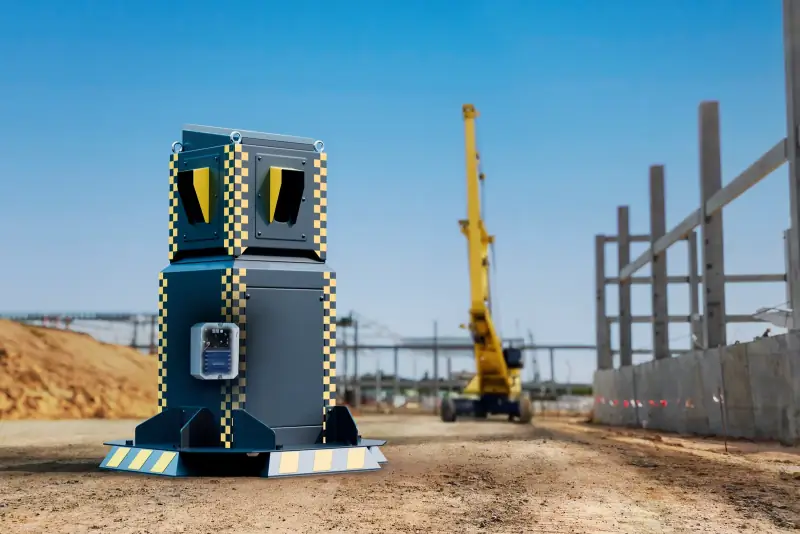
An anti-theft fog generator produces fog that reduces visibility in the protected area when the defined activation conditions occur. It is considered as an addition to intruder protection in areas holding easily portable assets. The design must take into account volumes, occupants, escape routes, alarm verification and compatibility with other systems. The choice requires a specific analysis: discover our anti-theft fog generators.
What organisational measures are needed to protect a home during a move spread over several days?
During a move spread over several days, it is advisable to treat the two homes as separate situations, each with a contact person and an end-of-day check. Before starting, agree who will receive the removal team, which items will remain temporarily in each house and when the keys will be handed over.
At each stage, update this information with the people involved and check that packing or furniture does not obstruct exits and devices. Completing the move includes returning temporary access credentials and checking the system against the new layout. Schedules, inventories and operating instructions should be shared only with those responsible.
Which needs should be gathered when carers work shifts in the home?
The starting point is continuity of care: gather actual shifts, any overlaps, substitutions and the needs of the person being cared for during the night. The family should identify who keeps this information up to date and who can authorise a substitute, so that an organisational change does not leave the carer without the necessary support.
Instructions must be easy to understand and consistent with the guidance of the professionals caring for the person. Also agree how to report a malfunction and contact the person in charge. Solutions must be agreed with those caring for the person, avoiding inappropriate restrictions and obstacles to emergency services or escape routes.
What instructions should guests receive when sleeping in a protected house for the first time?
Before the first night, show guests the functions they will need during their stay: how to move around the agreed areas, recognise an alert and contact someone who can help. It is also useful to explain what to do in an emergency, pointing out the exits and checking that the instructions are understandable in the guest’s language.
A short demonstration agreed with the owner reduces uncertainty when faced with an unfamiliar control. Any mobility, hearing or assistance needs require appropriate guidance. Provide only the information needed for the stay, without disclosing system diagrams or other people’s credentials. On departure, check that any items entrusted have been returned.
Unoccupied homes, remote sites and continuity
10 answersWhat are the best ways to protect a vacant property?
An unoccupied property requires access protection, intrusion detection and a clear procedure for handling alerts. Video surveillance, lighting and environmental sensors can complement the design depending on the risks present. It is essential to know who receives alerts and who can reach the property, as well as to check power supply and connections. Find out more about solutions for remote sites.
What security system can be installed in a property without mains power?
In a property without mains electricity, an autonomous system must be sized on actual consumption and on the maintenance that is feasible. Some detectors run on batteries, while the control panel, communications and video surveillance require a separate power assessment. Energy storage and photovoltaics can be considered where suitable. Autonomy must be calculated for the entire system, taking into account usage, temperatures and seasonal conditions.
What should I look for in a security system for an unoccupied house?
In an unoccupied house it is valuable to be able to recognise both an event and a system fault while you are elsewhere. As well as access protection, fault alerts, loss of communication, backup power and the possibility of maintenance all matter. The NetCom design can start from the length of absences, network coverage and the people responsible for looking after the property. Technologies and alert channels are then chosen to maintain a useful link with the house and to follow up on alerts.
Are motion detectors useful in a vacant property?
Yes, motion detectors help identify a presence in the rooms of an unoccupied property. Their usefulness increases when position and technology take account of passageways, temperatures, animals and possible disturbances. In suitably equipped systems, photos or video images add information to interpret the alert and guide whoever receives it. The design therefore considers both detection and the path of the alert: knowing where something has happened and being able to assess it makes managing the property remotely more practical.
How can I keep the system running during a power cut?
Continuity during a blackout requires batteries or uninterruptible power supplies sized for the devices that must remain operational. The control panel, cameras, recorder, router and network equipment must be considered separately. A backup mobile channel can maintain communications if provided and working. Actual autonomy depends on the load and the condition of the batteries and must be verified through scheduled tests and maintenance.
Do alarms or cameras work without an Internet connection?
Some local functions can continue without the Internet, if the system is designed and powered to do so. An alarm can detect events and trigger the siren; a recorder can store video locally. App access and remote notifications, however, depend on the available channels. Before installation, it must be established what happens in the event of disconnection and any communication over the mobile network must be verified.
What is the difference between available power and UPS autonomy?
Available power indicates how much load the UPS can supply; autonomy indicates how long it can sustain it during an outage. These are different characteristics: a high VA rating does not by itself prove long battery life. Sizing must respect the stated limits in watts and VA and compare the expected load with the model’s runtime curves. All equipment needed for the service must be counted, including switches and network devices. Battery condition and ambient conditions can change actual runtime compared with nominal values.
How do you check the power budget of a PoE switch with all cameras active?
The PoE budget must be checked both per port and against the switch’s total available power. The stated limits must be compared with the maximum demand of the cameras, including illuminators, heaters or other accessories where present. Observed daytime consumption may be lower than at night or in harsh ambient conditions. Cable losses and the method by which the switch reserves power must also be considered. Real readings help verify the design, but an occasional measurement does not replace checking the maximum-draw conditions and the available margin.
Do the system’s batteries recharge immediately once power returns?
When power returns, the power supply normally starts recharging the rechargeable batteries provided in the system, but full charge is not restored immediately. The time required depends on the model, the battery capacity, the depth of discharge and how the charger works. A “mains restored” signal therefore does not mean autonomy has already been recovered. These batteries must be distinguished from the non-rechargeable batteries in devices, which must be replaced according to the manual. If the state of charge does not improve within the time indicated by the manufacturer, a technical check should be requested.
What happens if a second blackout occurs before the batteries are fully recharged?
A second blackout before full recharge may leave less autonomy than is available with fully charged batteries. The system restarts from the energy actually recovered, not from the stated nominal runtime. Estimating the remaining continuity requires the load supplied, the battery condition and the device’s indications; the time elapsed between two outages alone is not enough. In places prone to repeated outages, this condition should be part of the design. Any low-battery or fault alerts must be handled according to the instructions received, and full autonomy should not be considered restored until it has been verified.
Video surveillance and remote monitoring
5 answersHow can I monitor my property remotely?
The property can be monitored remotely through the functions available in the system and its app. Depending on the devices, you can check status, notifications, event images and live video. A working connection and correct permissions are required. Access from a phone makes it possible to assess an alert, but operational management must also cover what to do when the owner is unavailable.
Can cameras replace an alarm system?
Cameras and alarms perform different functions and can complement each other. Video surveillance makes it possible to observe and document events; intruder protection is designed to detect entry or movement according to defined zones and modes. Some cameras generate alerts, but this does not automatically make the whole system equivalent. Choosing what is needed requires assessing coverage, continuity and alarm management. Find out more about professional video surveillance.
How many cameras are needed and how are they chosen?
The number of cameras depends on entrances, routes and the details that must be visible, not just on square metres. For each area the objective is defined: observing a situation, recognising an event or obtaining usable detail. Lighting, distance, obstacles and position affect the result. Verification must include real images by day and by night, as well as the planned recording capacity.
What can artificial intelligence do in security cameras?
AI-based video analytics can distinguish categories such as people and vehicles and flag events in defined areas or line crossings, depending on the model’s functions. It can help filter out irrelevant movement, but it does not eliminate errors or missed detections. Light, rain, obstacles and framing affect performance. On-site configuration and testing are required, together with an assessment of privacy aspects.
How is remote access to cameras and alarm systems secured?
Remote access is secured with personal accounts, unique passwords, additional authentication where available and permissions limited to each user’s needs. It is good practice to keep devices and apps updated as the manufacturer advises and to remove access that is no longer needed. Connections and services exposed to the Internet must be configured carefully. Credentials must not be shared in groups, public messages or request forms.
Cameras and privacy
4 answersIs a CCTV sign enough to install cameras in a business?
A sign alone does not cover all video surveillance obligations in a business. Purpose, proportionality of filming, access to footage and retention must be assessed; the short notice must be placed before the area being filmed and refer to the full privacy notice. If employees may be filmed, the safeguards required in that context also apply. The technical configuration must be coordinated with the responsibilities of the data controller.
How long can camera recordings be kept?
Recordings are kept for the period needed for the system’s purpose, as defined by the data controller according to the context, unless specific time limits are set by law. In many cases a few days are sufficient; retention beyond 72 hours requires more thorough justification. A consistent automatic deletion configuration makes it possible to use the images needed to protect the property while respecting the defined retention period.
What precautions are needed if cameras may film employees?
If cameras may film workers, Article 4 of the Italian Workers’ Statute (Statuto dei lavoratori) must also be considered, in addition to data protection law. Where applicable, installation requires prior agreement with the trade unions or authorisation from the competent Labour Inspectorate. Informing employees or obtaining their consent does not replace these safeguards. Purposes, framing, access and retention must be defined before processing begins, with the support of the relevant advisers.
Where can I point the cameras of a private home?
For purely personal use, cameras must be pointed at areas belonging exclusively to you, excluding other people’s property, common areas and public spaces, even when the images are not recorded. Position, field of view and privacy masking make it possible to focus on the points that matter for protecting the home. Apartment buildings, shared entrances and footage that includes other spaces require a specific assessment of the applicable rules.
Perimeter and outdoor protection
4 answersWhat is perimeter protection and when is it needed?
Perimeter protection detects events along the outer boundaries or near access points, to signal an approach before anyone enters the protected areas. It may use sensors and video analytics, depending on the site. Vegetation, animals, authorised passage and weather conditions all affect the design. Find out more about perimeter protection to assess coverage and how events are verified.
How are false alarms from outdoor protection reduced?
Outdoor false alarms are reduced by identifying their cause and correcting the positioning, coverage and configuration of the devices. Vegetation, animals, reflections, weather and authorised passage require different checks. Video verification can help understand events. Indiscriminately lowering sensitivity may also reduce detection capability: after each intervention, real tests and a check of the areas to be protected are needed.
Can I protect the garden while still using some outdoor areas?
Yes, if the design divides the outdoor space into zones and takes into account the routes actually used. Partial modes and time slots can be considered, distinguishing, for example, a pedestrian entrance from an area to be monitored. Gate opening, people passing and the presence of animals must be tested. The configuration must remain understandable to those who use the property every day.
How is security designed for a photovoltaic plant or a remote storage site?
Security for a remote site starts from boundaries, access points, exposed assets and the time needed to handle an alert. Perimeter protection, video verification, power and communications are assessed, taking distances and environmental conditions into account. It is equally useful to define who can respond and how the system will be maintained. Solutions for remote sites must be tailored to the individual plant or storage site.
Fire detection and environmental risks
4 answersWhat happens if a fire breaks out in a vacant property?
In an unoccupied property, suitable detectors can signal the early stage of a fire locally and send remote alerts, if connections and configuration allow it. Smoke, heat and carbon monoxide each require their own detection function, which is not present in every device. The procedure must establish who receives the event and who calls the emergency services: a notification is not the same as an automatic response.
Does a smoke detector also detect carbon monoxide?
A smoke detector detects carbon monoxide only if it also has the relevant sensor. There are dedicated devices and combined models with smoke, heat and CO functions; the product name and data sheet make it possible to tell them apart. Choice and positioning depend on the risks of the room and on the manufacturer’s instructions. No function should be assumed from the detector’s outward appearance alone.
Is a domestic smoke detector equivalent to a fire detection system?
A domestic detector is not automatically equivalent to a complete fire detection and alarm system. The system required depends on the intended use, risks, design and the requirements applicable to the activity. A detector can give a local warning or integrate with other functions, but on its own it does not prove that the overall protection is adequate. Find out more about professional fire protection systems for an assessment of the context.
How is maintenance of a fire detection system scheduled?
Maintenance of a fire detection system is planned taking into account the installed system, the design, the manufacturer’s instructions and the applicable requirements. The Italian standard UNI 11224:2026 covers initial inspection, surveillance, periodic checks, maintenance and general verification. Activities and results must be documented as required for the specific case. Frequencies and operations must be defined for the specific system, without applying a generic schedule to every safety device.
Flood sensors and water shut-off
3 answersHow does a flood detection system work?
A flood detection system detects the presence of water at the monitored points and generates an alert according to the configured settings. It can integrate sensors, a control unit, notifications and a compatible shut-off valve. Coverage and detection times also depend on the position of the sensors and the path of the water. Find out more about flood detection systems to distinguish a simple alert from automatic leak management.
Can the flood detection system shut off the water automatically?
Yes, if there is a compatible valve and an automation configured to close it when a leak is detected. The plumbing circuit, power supply and manual override must be checked first. The function must be tested and maintained over time. Shut-off acts on the monitored pipework: it does not stop seepage, water coming from outside or leaks on circuits other than the one isolated.
Where should flood sensors be positioned?
Sensors should be placed where a leak can be detected promptly, for example near washing machines, dishwashers, sinks and appliances connected to the water supply. Floors, slopes, obstacles and accessibility affect coverage. A single sensor does not automatically monitor the whole room. Positions and operation must be checked following the manufacturer’s instructions, keeping the devices accessible for inspection.
Maintenance, support and guarding
10 answersDoes NetCom also offer a guarding service?
A NetCom design can also include connection to a guarding service, organising the alarm path from detection to response. For the property, this means identifying who receives events, which checks are planned and how any intervention is handled. Guarding activities are the responsibility of the appointed provider and follow the service activated; NetCom technical support covers the operation of the system. Availability and coverage are defined for each individual property.
How often should a security system be serviced?
Maintenance is scheduled according to the type of system, the manufacturer’s instructions, the context and any applicable requirements. Checks may cover detection, power supplies, batteries, communications, recording and fault alerts. Self-diagnostics help identify anomalies but do not replace all on-site tests. Frequencies and activities must be set out in the maintenance plan, distinguishing alarm, video and fire systems.
Is 24/7 on-call support included with every security system?
Ongoing support is not automatically included with every system: services, channels and conditions are agreed with NetCom. For an emergency involving alarms or video surveillance you can call the company number +39 045 245 7879 even if you are not yet a client and have no active maintenance contract. During the call the problem, location and operational availability are assessed, and timing, arrangements and costs are communicated. Urgent technical call-outs and scheduled maintenance are separate services. Find out more about call-outs and 24/7 support.
What should I do if the alarm reports a fault or goes off for no apparent reason?
For an abnormal alert, identify the event, the device and the time, consulting the system log where available. Keep the message and check whether it coincides with a blackout, building work or changes in the environment, without deleting useful information. Contact support through the channel provided by your service and follow the instructions for handling the event. Avoid general resets or exclusions that could leave areas unprotected.
Which system problems can be checked remotely?
Remote support can help interpret an alert by starting from logged events, device status, connections and batteries. When the system supports these functions and access is authorised, the information available helps guide diagnosis and decide the next step. A damaged component or a problem related to the environment may require a technician on site. The NetCom support service fits into this process, linking the request to the system configuration and the agreed activities.
What should the final commissioning test of a security system include?
The final commissioning test verifies that the system performs the functions set out in the design and guides the client in moving to everyday use. Tests are defined according to the technologies, manuals and applicable standards: they may cover detection, alerts, communications, backup power and integrations. Beyond the individual components, it is important to verify the entire sequence planned for handling an event. The report records tests, results and any outstanding items, providing a clear reference for handover and subsequent maintenance.
How can I check that every installed device has actually been tested?
A test log linked to the device list makes it easy to find what has been verified, in which area and with what result. For each item it is useful to record the identifier, the test performed and the date: a concrete basis for future maintenance and upgrades as well. Platforms that generate automatic reports can simplify this work for supported devices and functions. Cameras, notifications and automations require their own checks, so that the documentation gives a complete picture of the functions provided by the design.
What is the difference between a visual inspection and a functional test of the system?
A visual inspection checks observable conditions such as fixing, integrity and the presence of obstructions; a functional test verifies the expected response to a controlled event. A detector that appears intact may not correctly cover its assigned area. For this reason manufacturers specify particular tests, to be carried out according to the manual and under conditions relevant to the site. It is useful to distinguish the response of the individual sensor from the subsequent receipt of the event and the related actions. Tests must be agreed with whoever manages the system, so that behaviour is verified without triggering unwarranted responses.
What operating instructions should I receive at alarm handover?
At handover it is useful to receive instructions relating to the actual configuration of the alarm, together with the relevant manuals. Everyday use, the available arming modes, the meaning of alerts and the actions to take in the event of an alarm, a fault or a lost connection must all be clear. You need to know who can manage users, which notifications are active and whom to contact for support. A short guided test helps check understanding. The instructions should also describe the limits of the app and the functions available through the installed local controls.
How do you check that device names in the app match the real areas?
The match is checked by comparing the names and rooms shown in the app with the device list and with an on-site check. A useful name uniquely identifies the area and the function, avoiding vague labels such as “sensor 1”. During an agreed test, the technician can check that the event appears with the expected description and that the recipient understands where to act. Naming should also be checked in notifications, where the system provides them. Moving devices or changing the use of rooms requires the app and the documentation to be updated accordingly.
Safes, jewellery and valuables
9 answersWhat is the difference between a safe and a vault?
A safe is a secure container, while a vault is a protected room intended for the safekeeping of assets. The choice depends on volume, required access, risk and the characteristics of the property. A vault does not automatically offer greater protection: what counts is the resistance grade, construction and installation of the whole. You can compare the solutions on the page Safes and vaults.
Can safes be connected to the alarm system?
A safe can be integrated with the alarm using devices and connections compatible with the model and the design. Detection may cover opening or attack attempts, depending on the solution chosen. Work must follow the manufacturer’s instructions and must not compromise the characteristics of the secure storage unit. Alerts, authorisations and operating modes must be defined and tested together with the system.
Is it better to install a safe in the wall or in the floor?
The choice depends on the model, the installation instructions and the structure that must support or house it. Weight, dimensions, available thickness, anchoring and the transport route must be checked before purchase. The location must allow practical use and correct installation. For a professional safe, installation and the strength of the supporting structure are part of the overall assessment.
How do I check a safe’s certification?
Certification is checked on the label and in the model’s documentation, verifying the standard, grade, product identification and the body that issued it. EN 1143-1 and EN 14450 cover categories of secure storage units with different requirements; the marketing term “certified” alone does not allow them to be compared. The lock and installation conditions must also be checked. Fire-resistance classifications must be checked separately.
Does a safe’s grade automatically determine the insurable value?
The safe’s grade alone does not determine the insurance cover for the items kept in it. Limits and conditions depend on the policy and may take into account the type of valuables, installation, alarm and other requirements. Before purchase, it is useful to share the proposed model and certification with the insurer and obtain confirmation of the applicable conditions. Avoid assuming that an amount quoted generically for a grade applies to every policy.
What should be considered for a safe intended for jewellery, watches and collections?
For jewellery, watches and collections, the required protection, usable volume and access arrangements are assessed, together with any insurance conditions. Internal organisation, dimensions and the possibility of expanding the collection help choose a model that remains usable over time. Placement in the property and integration with the alarm must be checked before installation. Find out more about safes for jewellery, watches and collections.
How is a valuation of stored assets organised without disclosing unnecessary financial data?
Before the valuation, agree with the owner and the appointed professional on the purpose of the appraisal, the items concerned and the documents required. The recommended approach is to provide information relevant to the assignment, through agreed recipients and channels, keeping separate any operational details of the security system that are not needed for the valuation.
Limiting the data must not prevent the valuer from doing the job properly: any further needs should be clarified with them. Also establish who receives the report, how to distinguish drafts from the final version and how to handle copies and retention. Any photographs should likewise have a defined purpose and recipients.
What should be reviewed if the value of the assets on the premises rises sharply only at certain times?
A temporary increase in the value kept on the premises is the right moment to adapt protection to the period of greatest exposure. Updating the inventory, distinguishing your own assets from those entrusted to you and assessing quantities, movements and presence of people makes it possible to identify, with the designer, the most useful measures, even when the rooms stay the same.
Before the assets arrive, it is advisable to check with the insurer the applicable conditions and any adjustments to cover. Appointing a contact person and defining the measures needed during the peak and the return to normal operation helps keep security, organisation and the value to be protected aligned.
How is access to a collection’s documents distinguished from physical access to the items?
Authorisation to consult a collection’s catalogue should be separate from authorisation to enter the premises or move the items. An adviser may need photographs and records for an assignment without needing access to the storage; someone assisting with a move, on the other hand, may not need the full asset documentation.
It is advisable to define separately the person responsible for the documents, the people authorised to consult them and those who can approve access or movements. Each assignment should have an understandable purpose and duration. Changes must be communicated to the respective contact persons, so that access to a digital archive is not interpreted as authority to dispose of the assets.
Vaults, safe rooms and fire-resistant safes
5 answersWhat is the difference between an ordinary safe and a fire-resistant safe?
A fire-resistant safe is designed and, where stated, certified to protect specific contents from heat for a defined duration and class. Burglary resistance is a separate characteristic. Some models combine both types of protection, but the respective certificates must be checked. A classification for paper documents should not automatically be considered adequate for digital media, which may require different conditions.
How long does a fire-resistant safe withstand a fire?
The fire-resistance duration is stated in the model’s classification and test documentation. To choose the right safe, this figure must be read together with the contents to be stored: paper documents and data media require different protection. Certified performance refers to the conditions of the test; in a real fire, the intensity and duration of exposure also matter. Assessing these factors makes it possible to choose protection that matches the value and sensitivity of the items.
Can a vault be built in an existing room?
An existing room can be converted into a vault if the structure, space and installation conditions are suitable for the design. Walls, floor, ceiling, door, service penetrations and access points are assessed, as well as any alarm. Burglary resistance under EN 1143-1 concerns the secure storage unit and its specified elements; it does not automatically certify every ancillary function. Find out more about vaults and strongrooms.
What is a safe room and who needs one?
A safe room is a space designed to provide temporary shelter for people in a defined risk scenario. It can meet the needs of homes and properties where it is useful to have a protected space that can be reached according to clear procedures. Access protection, communications, power and internal conditions are assessed together with the occupants’ needs and the overall security of the property. The design defines performance and limits according to the scenario considered. Discover the service Safe rooms and panic rooms.
Does installing an armoured door turn a room into a vault?
An armoured door alone does not turn a room into a vault. Protection also depends on walls, floor, ceiling, anchoring and penetrations: one resistant element does not automatically compensate for the vulnerabilities of the others. The design must consider the entire room and the documented performance of the components. The page Vault doors and armoured doors helps distinguish the solutions to be assessed.
Home automation, access control and applications
9 answersDoes NetCom home automation replace the alarm system?
Home automation complements the functions of the alarm system when the devices and the design allow it. It can coordinate lighting, access and other controls, while intrusion detection remains the job of the dedicated system. Automations must behave clearly even in the event of a fault or loss of connection. Find out more about Home automation and automations to assess scenarios suited to the household’s routines.
Can different access rights be assigned to family members, staff and suppliers?
An access control system can assign different authorisations by person, area and time, depending on the available functions. Badges, codes or digital credentials make it possible to manage different needs, including temporary ones. It must be established who grants and revokes permissions and how any logs are handled. Find out more about access control for homes, businesses and facilities with multiple users.
What happens if I lose a badge or need to revoke someone’s access?
In systems that allow it, the individual credential can be deactivated and replaced without changing all authorisations. The loss must be reported promptly to the person who manages access. It is also useful to check shared codes, app access and devices associated with the person. The procedure must be defined in advance, and revocation must be checked at the access points concerned.
Can existing alarms, lighting and gates be integrated?
Yes, when the existing systems have compatible interfaces and controls, they can become part of coordinated home management. The design starts from the desired everyday actions: coming home, preparing the house for the night or managing temporary access. NetCom can assess the models and connections already in place to identify the integrations that can be achieved. Each scenario must preserve the protection of the individual systems and behave in a defined way even in the event of a fault, so that a simple command corresponds to functions that the residents can understand.
How does a security design differ between a home, a shop and a healthcare facility?
The design changes according to the people present, opening hours, access points, assets and the consequences of an event. A home requires attention to the occupants’ habits; a shop to customer flows and goods; a healthcare facility also to operational continuity and sensitive areas. The technologies may be similar, but coverage and procedures must be specific. See our solutions for healthcare facilities and villas.
How do you decide which automations must run locally and which can depend on the cloud?
Essential home functions deserve a design that also takes Internet outages into account. For each automation, it is identified where the command is executed and which connections are needed to complete it. Local control can reduce dependence on external services, while remote access and notifications may have different requirements. Even a local function requires power and internal communications to be available. The useful outcome for residents is knowing which operations remain available under different conditions and recognising when a function needs support.
What should happen to a security automation when one of the connected devices fails?
An automation must have defined behaviour even when a component fails or cannot be reached. The design establishes how to report the anomaly and which fallback is appropriate for that function. In a scene involving several devices, it can be useful to distinguish completed actions from those still pending, where the system allows it. For the residents, the benefit is understanding the outcome and knowing whom to contact. The return to normal operation and the handling of events not executed must also be defined for the specific integration.
How do you check that an automatic command has been executed and not just sent?
Confirming an action requires feedback consistent with the expected result, not just a record of the command sent. A relay status can confirm that the output has been activated, but does not by itself prove that a door has reached the required position. Where necessary, a position sensor or other physical feedback provided by the system is required. The design should distinguish command received, detected status, maximum expected time and anomaly. Without adequate feedback, the interface should make it clear that the result is still to be confirmed.
What is the difference between an officially supported integration and compatibility achieved with adapters?
A supported integration provides a declared reference for the products, versions and functions that can work together. Adapters can connect different systems but require dedicated checks on the commands, events and statuses actually exchanged. In the design of an integrated home, this distinction helps choose a solution that is easy to use and to maintain over time. Interoperability standards also have specific profiles and functions: compatibility, testing and update management must relate to the combination of devices actually installed.
Businesses, warehouses and shops
7 answersHow is access coordinated for drivers who arrive before the warehouse opens?
Early arrivals should be agreed between the warehouse, the haulier and the supplier before delivery. The information for the driver should make clear where to wait safely, which contact person to call and who can authorise the start of operations. Arriving early must not turn into unsupervised entry into an area where the assigned staff are not yet present.
It is necessary to distinguish receiving the vehicle from taking charge of the goods and from responsibility for loading or unloading. If the arrival falls outside the agreed window, the contact person assesses a new arrangement compatible with the actual conditions on site, without improvising routes or blocking emergency exits.
What must change in the security plan when a new production shift is introduced?
A new shift requires reviewing who is present, which departments are working and who takes on responsibility in the new time slot. It is also worth checking where people and vehicles cross paths at entry and exit: shift changes can alter how internal routes are used.
The person in charge of the business should coordinate production, health and safety and system management to update attendance, communications and handovers. Any automatic schedules must match the activity actually planned. Before start-up, check with those responsible that alerts and support requests reach contact persons who are actually available, without assuming continuous on-site presence.
Which needs should be gathered before moving shelving in a protected warehouse?
The new shelving layout also changes how the warehouse can be protected. Heights, goods and aisles can alter camera views and access to devices. Before the reorganisation, it is useful to share the planned layout with whoever looks after the systems, together with the warehouse managers and the professionals responsible for shelving and safety. The technical survey can identify the adjustments needed; checks once the layout is complete, with the goods in place, make it possible to verify coverage and update the documentation, keeping exits and emergency equipment clear.
How is security managed during a production shutdown with many maintenance contractors on site?
During a production shutdown, it helps to have a shared overview of the contractors on site, their contact persons and their assignments in the various areas. Activities must be coordinated with those responsible for health and safety, taking into account interference between tasks and the temporary conditions of the site.
To protect assets, distinguish who authorises access, who escorts where necessary and who reports changes to the systems. At the end of each phase, the handover should clarify the areas returned, work still open and anomalies to be resolved. Restarting production requires an agreed handback, with a check of conditions and an update of temporary assignments.
How are opening and closing of a shop organised when the person in charge changes every day?
When the person in charge changes every day, responsibility for opening and closing should be assigned explicitly for each shift, with a designated and trained deputy. The handover must make visible any open anomalies, planned extraordinary activities and people who might be present outside normal hours.
A concise checklist, reserved for those responsible, is useful for recording completion of the agreed checks and requesting support in case of doubt. Procedures, operational contacts and entrusted equipment must be kept up to date; staff safety must guide the handling of unexpected events, avoiding individual initiatives to confront strangers.
Which needs should be reviewed when a shop window is frequently redressed?
A shop window changes with products, backdrops and lighting; protection must keep pace with these changes too. Displays and reflections can alter what the cameras are able to show, while new items can occupy previously clear spaces. Discussion between the window dresser and the technician helps keep presentation and security aligned, assessing any relocation of devices before carrying it out. Once the work is finished, the display must be checked under real lighting and operating conditions, identifying any adjustments and keeping exits and emergency equipment accessible.
How is restocking of the shop coordinated during opening hours?
Restocking during opening hours requires arrangements agreed with the haulier and a person responsible for receiving goods. Before delivery, define the usable spaces, the route for the goods and how to avoid interfering with customers, keeping exits and walkways clear.
Taking charge of the goods should distinguish receipt, checking and transfer to the stockroom, so that parcels and documents are never left without a responsible person while staff serve the public. If the volume of the delivery exceeds the available space, review the timing or split the operations. Instructions for the driver must be understandable and consistent with how the shop actually operates.
Hotels and hospitality
3 answersHow are guest and staff flows separated in a hotel with shared entrances?
In a hotel with shared entrances, destinations after entry must be distinguished: reception, rooms, storerooms, staff areas and technical spaces have different needs. It is advisable to observe the actual flows together with reception and service managers, including luggage, suppliers and people with accessibility needs.
Signage, escort arrangements and access control should be assessed as parts of the same design. Restrictions on service areas must remain compatible with escape routes and emergency procedures. Before choosing devices, clarify who handles exceptions and how to assist a guest who ends up in the wrong area.
Which needs should be gathered when hotel reception is not staffed all night?
A hotel whose reception is closed for part of the night needs a clear process for late arrivals, guest requests and system alerts. The design starts from the people available and the tasks they can perform, linking entrances, communications and assistance. This makes it possible to assess automations that are useful to the property alongside arrangements that are also accessible to those who do not use a smartphone. Information for guests must distinguish ordinary support from emergencies; whoever handles a technical anomaly must know their point of contact and the service actually activated.
What decisions are needed to upgrade hotel security while some rooms remain occupied?
The upgrade can be planned in phases around the life of the hotel, coordinating occupied rooms, common areas and work zones. Management and technicians define which functions will be affected and how to maintain the necessary conditions for guests and staff at every stage. Bookings, accessibility, assistance and emergencies are scheduled together with the works. Areas are handed back after the agreed checks, with clear information on the functions available and the activities still to be completed. The feasibility of each phase must be assessed on the actual conditions of the property.
Healthcare and care facilities
2 answersHow are healthcare staff entry and shift changes coordinated in a clinic that is open around the clock?
In a clinic operating day and night, access control must support care work even during overlaps, substitutions and unexpected call-outs. The design considers these flows together with medical management, staff and technical contacts, so that authorisations, usable areas and exception handling are consistent. Physical access and professional authorisation remain separate roles. Solutions and procedures must support continuity of care and keep emergency access and escape routes available. It is one of the specific needs to be addressed in the security of medical centres and clinics.
How is a systems test organised without alarming patients and residents?
Tests must be planned with the facility’s management, care managers, technicians and those responsible for emergencies. Before starting, define the functions to be verified, the areas involved, the communications needed and the criteria for stopping or postponing the activity if it interferes with care.
Inform staff, patients and visitors in ways suited to the setting, paying attention to those who might interpret signals or movements as a real emergency. When a simulation could pose risks to care, the competent professionals must identify compatible ways of testing. The test must not obstruct movement, emergency response or escape routes; completion includes checking that everything has been restored and recording the results.
Construction and temporary sites
2 answersWhich elements of the security plan need updating when a construction site moves from structural work to finishing?
The move to finishing works changes the people, materials and spaces to be protected: ready-to-install components may arrive, the number of contractors on site may increase and partially completed areas may appear. It is advisable to update the picture of the areas actually in use, the planned deliveries and who is responsible for them.
The review of protection against theft and unauthorised access must be coordinated with those responsible for site safety. Any mandatory documents follow their own update process. Before the new phase, check that entrances, fencing and systems match the actual situation, including the progressive handover of rooms and their separation from work still in progress.
Which needs change when the site fencing is moved?
Moving the fencing means redefining the boundary between the work area and external or already handed-over spaces. Before the change, review entrances, vehicle and pedestrian routes, proximity to the public and access to exits, involving those responsible for the site.
After the move, check the continuity and condition of the fencing, update the instructions for contractors and deliveries and check the effect on the design of the protection systems. The contacts for neighbouring areas must also receive the relevant information. The change can be considered complete only after the agreed checks: updating a plan without checking the actual perimeter leaves organisational problems unresolved.
"Security is not a standard package: every system starts from a site survey and a risk analysis specific to the property. The answers on this page describe the way we really work."— Matteo Fiasca, Founder and CEO, NetCom Security Group