Parks and nature reserves
Cameras, sensors and infrastructure for the protection of natural areas
NetCom designs and installs integrated systems for video surveillance, wildlife monitoring and environmental control for parks, reserves, oases and conservation organisations. IP and thermal cameras, camera traps, bioacoustic sensors, intrusion detection, connectivity and autonomous power supplies are integrated with techniques designed to avoid damage and keep disturbance to wildlife and flora to a minimum.
Technologies to protect the land and understand its wildlife
The needs of a nature reserve include both the protection of entrances, structures and sensitive areas and the collection of useful information on species, habitats and environmental conditions. NetCom designs a single technical infrastructure able to support both activities, keeping purposes, configurations and data separate.
The system can integrate IP, thermal and low-light cameras, camera traps, bioacoustic and environmental sensors, intrusion detection, access control, local recording, radio or cellular connectivity and autonomous power supplies. Remote supervision and diagnostics make it possible to reduce site visits and response times at the hardest-to-reach points.
We are experts in designing and building technological infrastructure in natural settings, with reversible supports, protected cabling and activities planned to limit digging, light, noise and foot traffic. We work within the constraints of the managing body and the instructions of the environmental officers; scientific protocols and conservation decisions remain with the biologists, researchers and professionals in charge.

Video surveillance, thermal imaging and intrusion detection
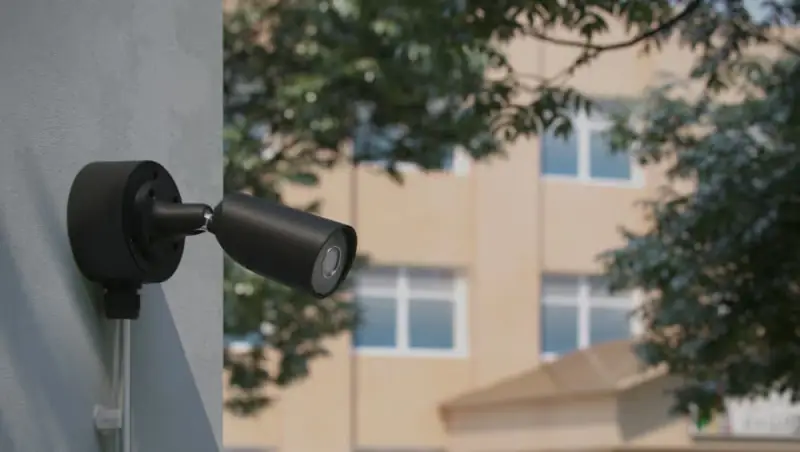
IP, PTZ, low-light and thermal cameras can protect perimeters, entrances, visitor centres, stores, plant and sensitive areas. Thermal imaging detects people, vehicles or animals even without visible light, avoiding continuous lighting at night.
Video analytics and intrusion detection can send alerts to operators and authorised staff, distinguishing relevant events and reducing on-site checks. Coverage, views, masking and image retention are defined in proportion to the security purposes and the applicable rules.
Camera traps and wildlife monitoring
Camera traps and automatically triggered cameras can document passages, presence and behaviour of wildlife without requiring continuous staffing. Motion sensors, infrared night recording and dedicated scheduling allow each point to be adapted to the project objectives.
Local recording, selective transmission and remote diagnostics help to limit operator visits and to check the status of the devices. Positions, heights, orientation and periods of activity are agreed with those who know the species, habitats and seasonal constraints.


Bioacoustic and environmental sensors
Passive acoustic recorders and bioacoustic sensors can collect calls and soundscapes useful for monitoring birds, bats, amphibians and other vocal species. In specific projects, event analysis can also support the recognition of unusual sounds associated with human activity, according to defined objectives, authorisations and protocols.
Temperature, humidity, rainfall, air quality, water level and the status of the equipment can be acquired in the same system. NetCom takes care of devices, power supply, transmission, protection and data continuity; scientific interpretation and validation remain with the professionals in charge.
Connectivity, energy and low-impact installation
At points without mains power or fixed internet, the nodes can use solar or backup power, radio or cellular links, local memory and selective transmission. Supervision, battery status and technical alerts make it possible to intervene only when necessary.
Removable supports, mechanical protection, discreet cabling and planned activities reduce digging, noise, lights and foot traffic. Before installation we define with the managing body the access routes, seasonal windows, excluded areas and maintenance methods, to protect the operation of the system without compromising wildlife, flora and landscape.