
Installation day is a specific date. The life of the system, by contrast, is spread across thousands of actions: a command before leaving, a service access, an alert read remotely. It is along this path that security becomes part of managing a property.
Its cost, too, takes shape over time. The initial installation is joined by activities and resources linked to use, maintenance and the evolution of the property. Understanding this cycle helps to see the system as infrastructure that accompanies the home or business for years.
Day one contains choices for the future
A function is created to meet a need. The way it is implemented then influences how it is used and looked after. Accessibility for maintenance, understandable controls and the availability of technical information are therefore related to the future life of the system.
This relationship does not allow an automatic saving to be attributed to every choice. It does, however, make it clear that the initial cost describes one phase. Two systems may require different management activities even if they perform some similar functions.
People's time also comes into daily life. A system that is easy to understand can be used more consistently; management full of unclear steps absorbs attention. The value of simplicity lies in the user experience, with no need to turn it into a financial promise.
Maintenance preserves a relationship
Technical activities look after components working in a real environment. The property may be altered, users may change and some conditions may evolve slowly. Looking after the system means keeping the relationship between what was planned and what is still needed.
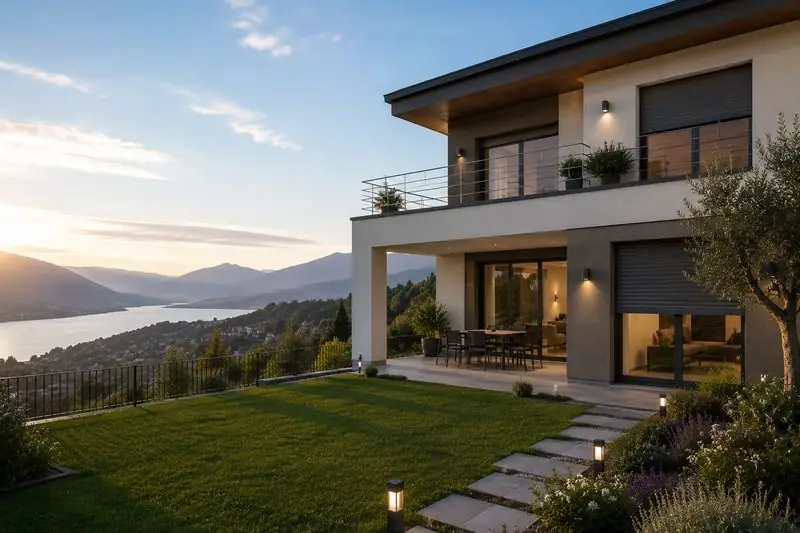
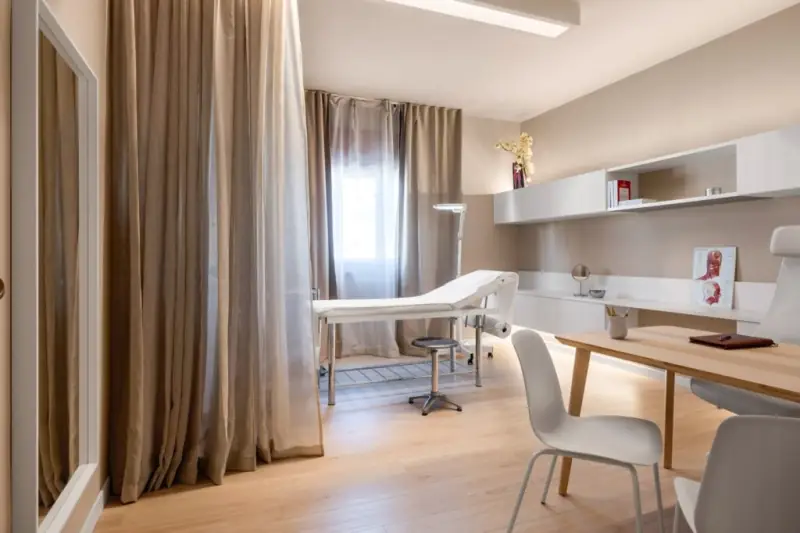
Imagine a home that, over the years, also becomes a place of work. The family continues to live there, but new people and hours are added. The system keeps part of its usefulness and meets new needs. Routine maintenance and adapting the design are activities with different purposes, both belonging to its life.
Technical records help to recognise these transitions. When the information describes configurations and changes consistently, the system remains easier to read over time. Knowledge can pass through changes of people and roles without having to start again each time by reconstructing the past.
Digital support has its own lifespan
For connected systems, the cycle includes software and services as well as equipment. The availability of updates and the end of support can affect future continuity. This point is raised in the NPSA guidance on cyber security for physical protection systems.
Actual lifespan depends on the products, the conditions of use and the whole of which they form part. A generic figure in years cannot by itself describe all these relationships. This is another reason why renewal decisions are linked to the evolution of the property, as well as to the technical availability of individual components.
Looking ahead makes it possible to put changes in order. Some can be combined with work already planned, others respond to new needs. The life cycle thus becomes part of the design, instead of appearing only when a difficulty arises.
Infrastructure to be lived with continuously
The cost of security makes sense when it is related to the functions it supports over time. The design goal is management consistent with the property and its people, within real resources and conditions.
NetCom addresses these needs in the field of professional alarm systems and consultancy. The articles on upgrading existing systems and on differences between designs complete this perspective. More reading is available in the NetCom library; a conversation about how your security should evolve can start from the contact page.