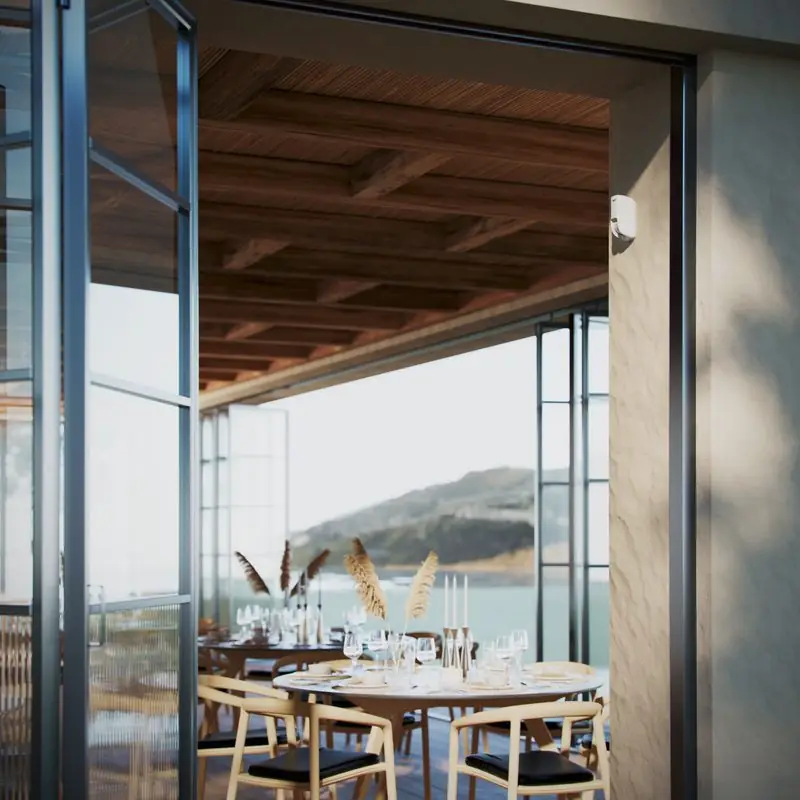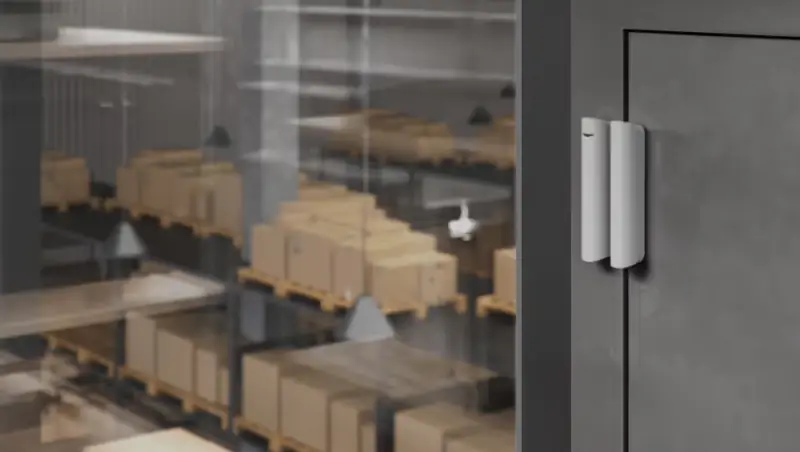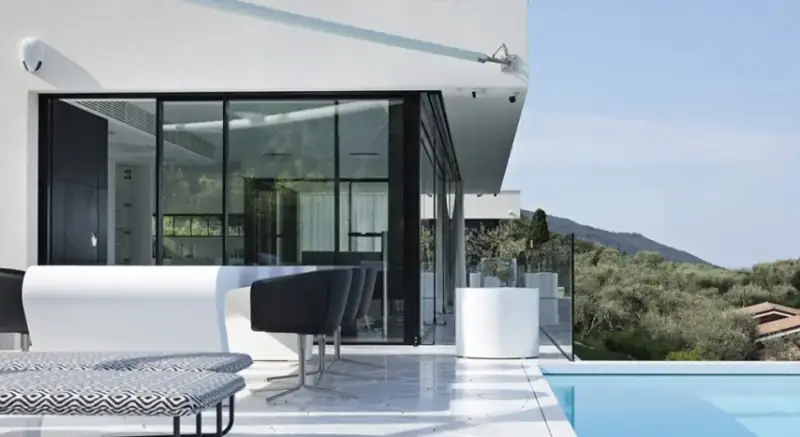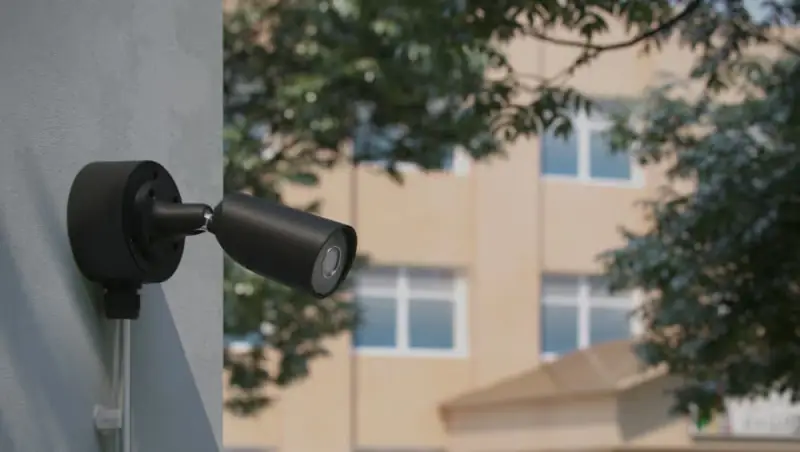

The cat moves between an armchair and a window; the dog follows the family towards the garden. For residents, these movements are part of normal life. The security design must also treat them as features of the home.
The presence of pets highlights a fundamental relationship: a detector works within real life, with behaviours and spaces that must be understood together with the technology.
Animals live in three-dimensional space
A room contains floors, furniture and surfaces used in different ways. Animals may cross it along routes that change with habit or with the arrangement of objects.
Imagine a living room where a low bookcase is added next to a seat. For people it may be a change of furniture; for an animal it may become a new route. The detection environment stays the same only in appearance.
Observing domestic life helps the design to recognise these relationships. Protection must be consistent with the spaces actually used and with the presence of people and animals at different times.
Compatibility comes with precise conditions
Some detectors offer functions commonly described as pet immunity. The documentation from one manufacturer for a photo-verification detector links this feature to specific conditions for installing and using the product.
The practical meaning is important: a short label must be read together with the real characteristics of the detector and the context. Behaviour cannot be inferred solely from the animal’s weight or the commercial name of the function.
Technical design considers the detection principle and the conditions specified by the manufacturer. The family’s contribution is to make the home’s habits understandable, so that the technology can be chosen and integrated with a realistic task.
Protection follows the rhythms of the home
The presence of pets can change the way some rooms are used while the owners are away or at night. These rhythms become part of the design of the available functions, while keeping an overall view of protection.
A recurring alert deserves a look at the relationship between the system and its environment. The technical work seeks a cause consistent with the facts, without making the disappearance of the alert the only goal. Protection must continue to perform its intended task.
A new pet or a different furniture layout are also changes worth sharing with whoever looks after the system. Home security evolves with the home, through small steps that have a concrete meaning.
The family’s needs may also change over the year. A room used more in winter or frequent access to the garden in the warmer months changes the habits of both people and animals. Protection must be read within these rhythms, through functions consistent with the system. Knowledge of the home thus helps to shape a design that accompanies domestic life and keeps the role of the different technologies understandable.
Living in and protecting the same place
A design that takes pets into account starts from the normality of their presence. Technology finds its role when it understands that life and links it to the family’s protection needs.
NetCom designs professional alarm systems in relation to their context. Find out more about protecting an occupied villa and reading the rooms during the site survey. To think through the habits of your home, contact NetCom and consult the library.